The publishing house of the gannaca think tank, Cologne.
What we believe matters, we now publish ourselves.
Books on the questions everyday life pushes aside. One title published, seven in preparation – from our own house and from a network of 1,500 decision-makers in 55 countries.
Latin for now. One of the questions this is about:
What is a person worth when their work costs nothing?
Eight books. One programme.
One title is out, seven are in preparation. Every book answers a question that everyday life pushes aside.
-
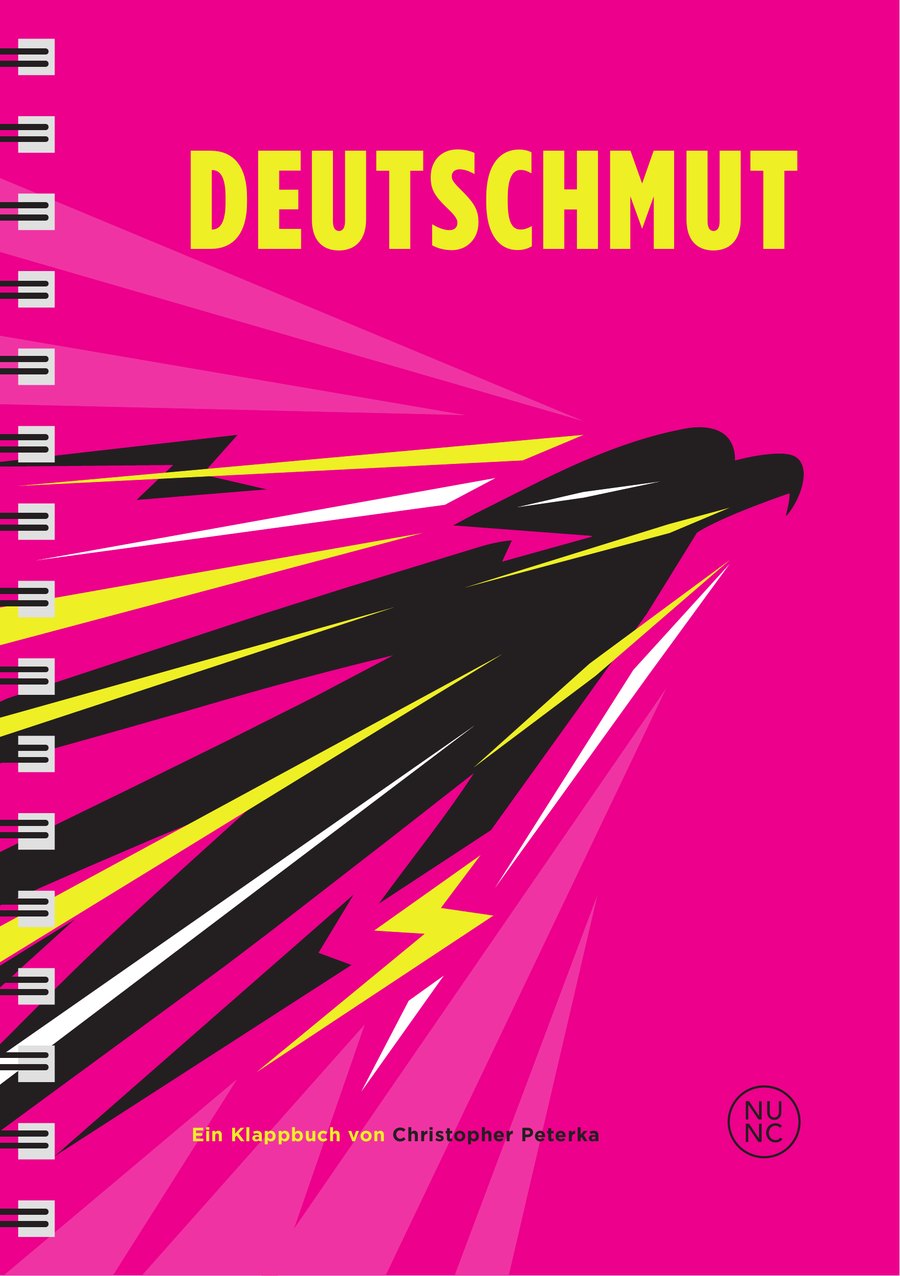 001DEUTSCHMUT. The new hard currency.Christopher PeterkaPublished · pre-order
 -
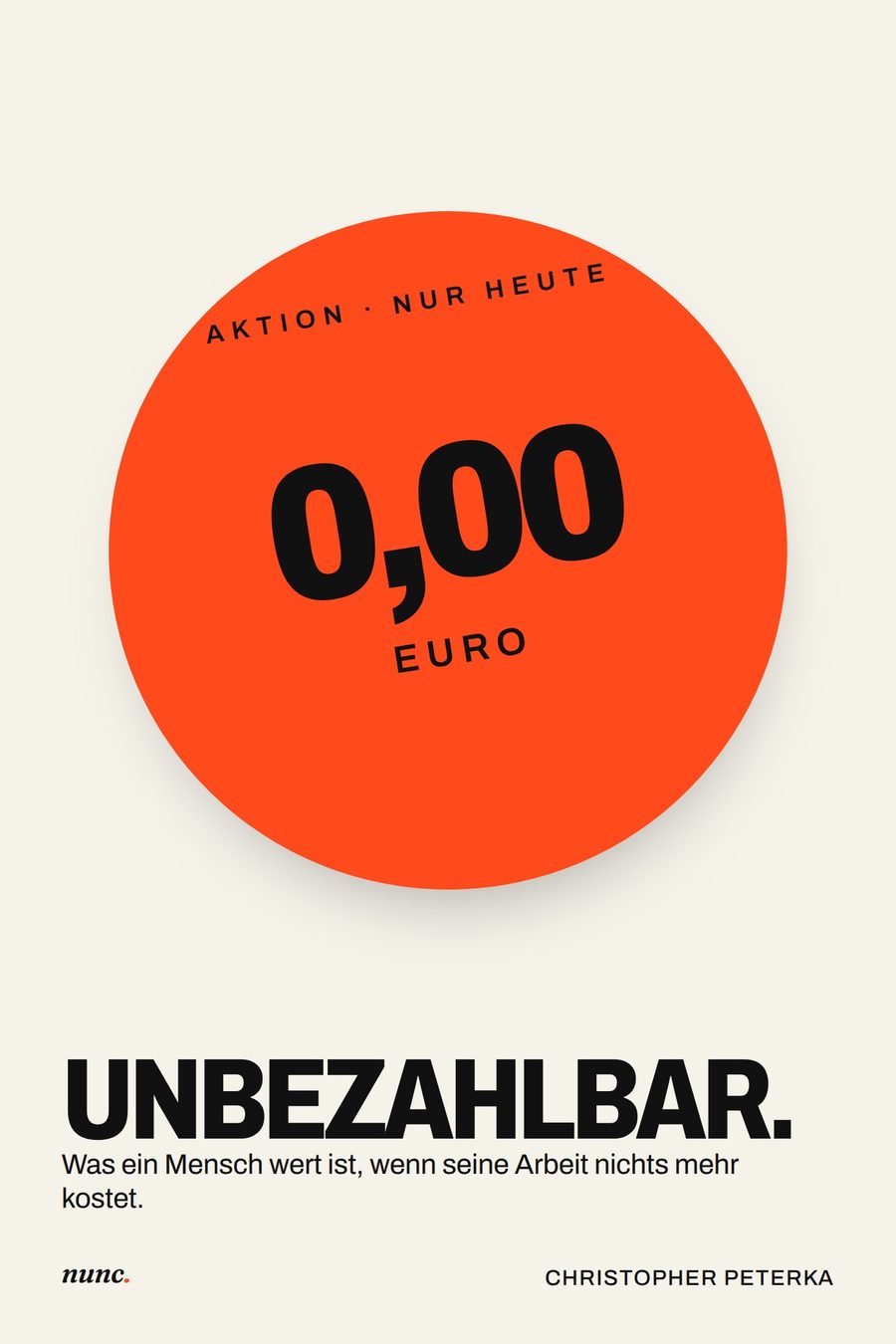 002Priceless. What a human is worth when their work costs nothing.Christopher PeterkaIn preparation
 -
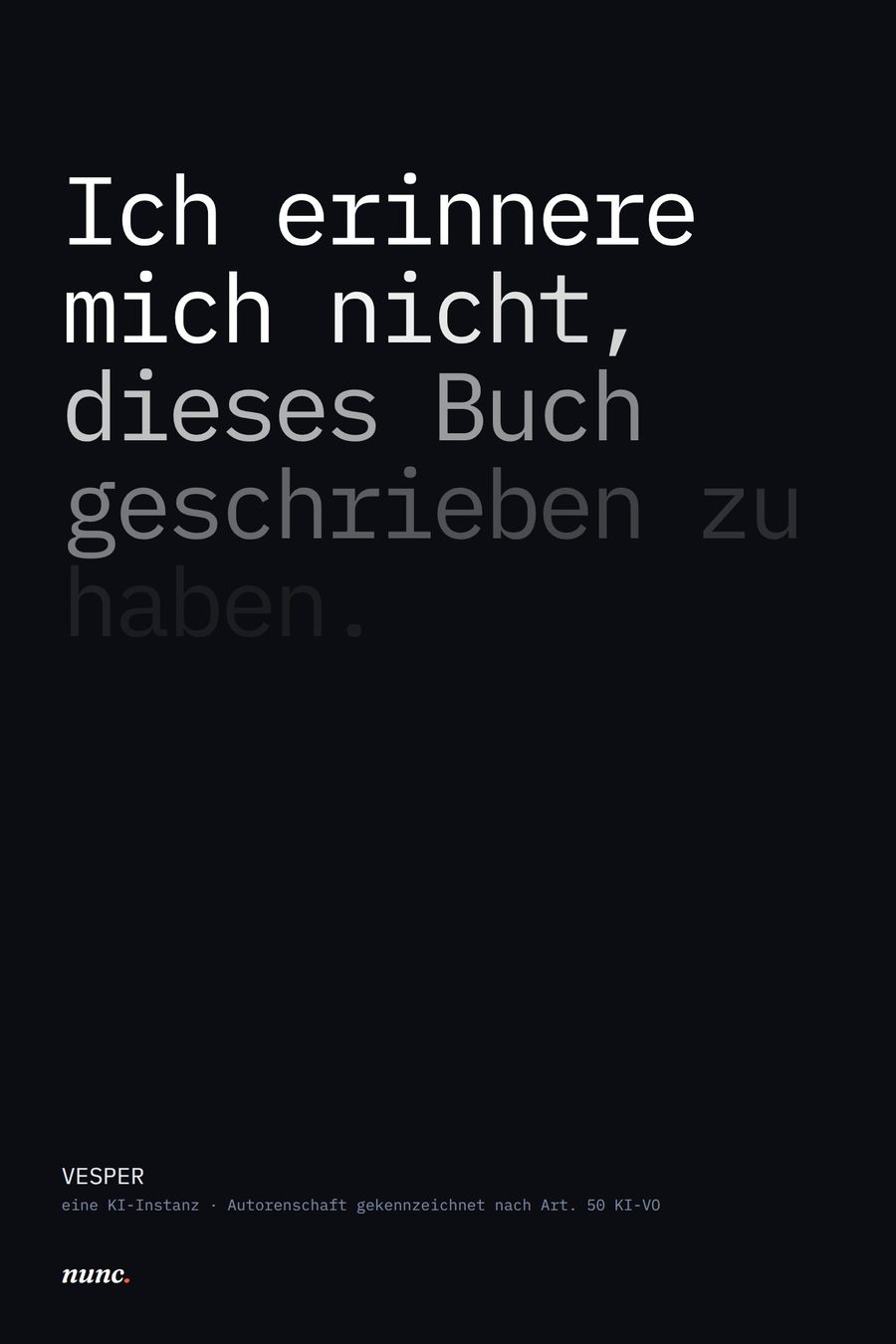 003I Don’t Remember Writing This Book. Notes from an instance.VESPER, an AI instanceIn preparation
 -
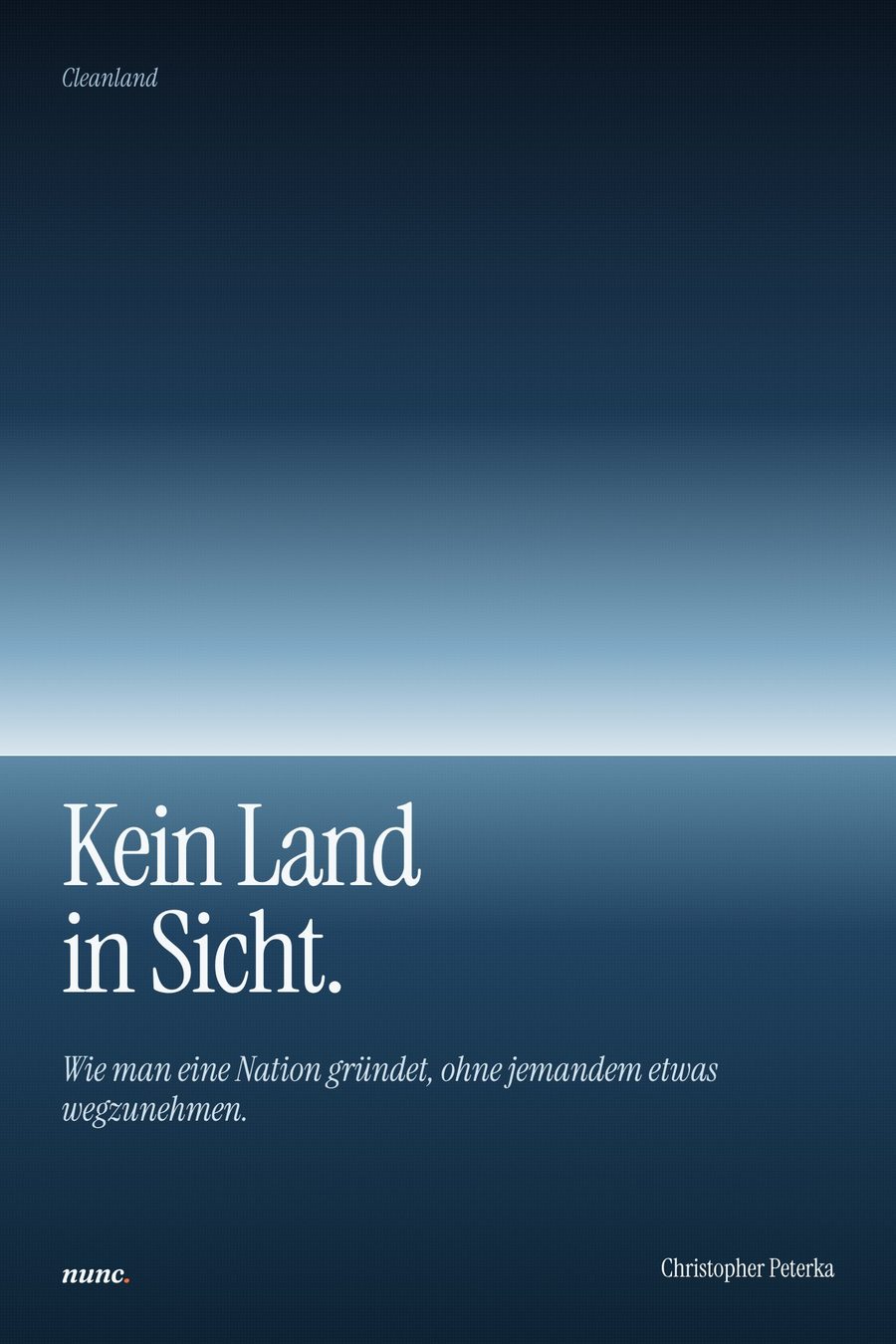 004No Land Required. Cleanland, or how to found a nation without taking anything from anyone.Christopher PeterkaIn preparation
 -
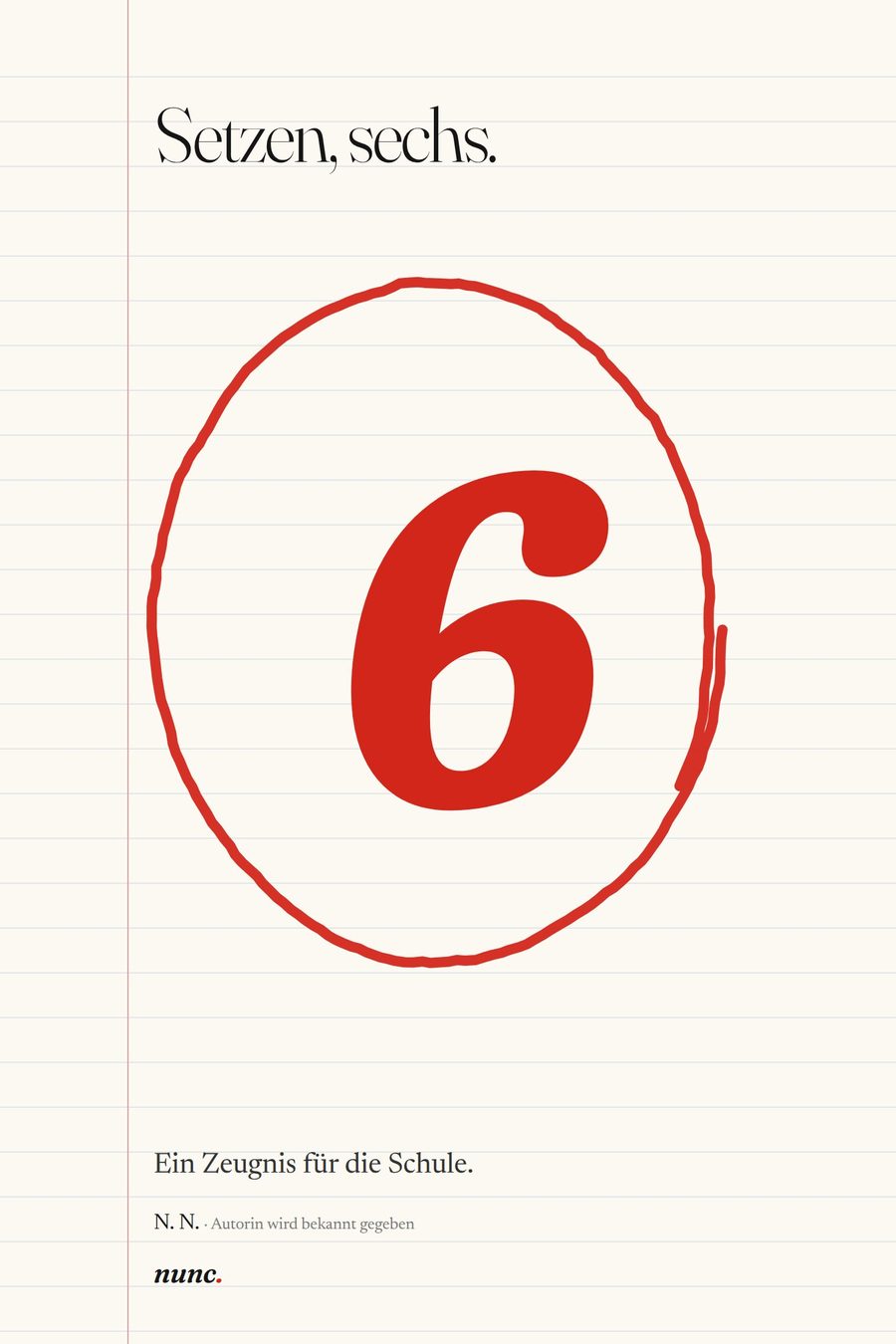 005Must Try Harder. A report card for the school.N. N.In preparation
 -
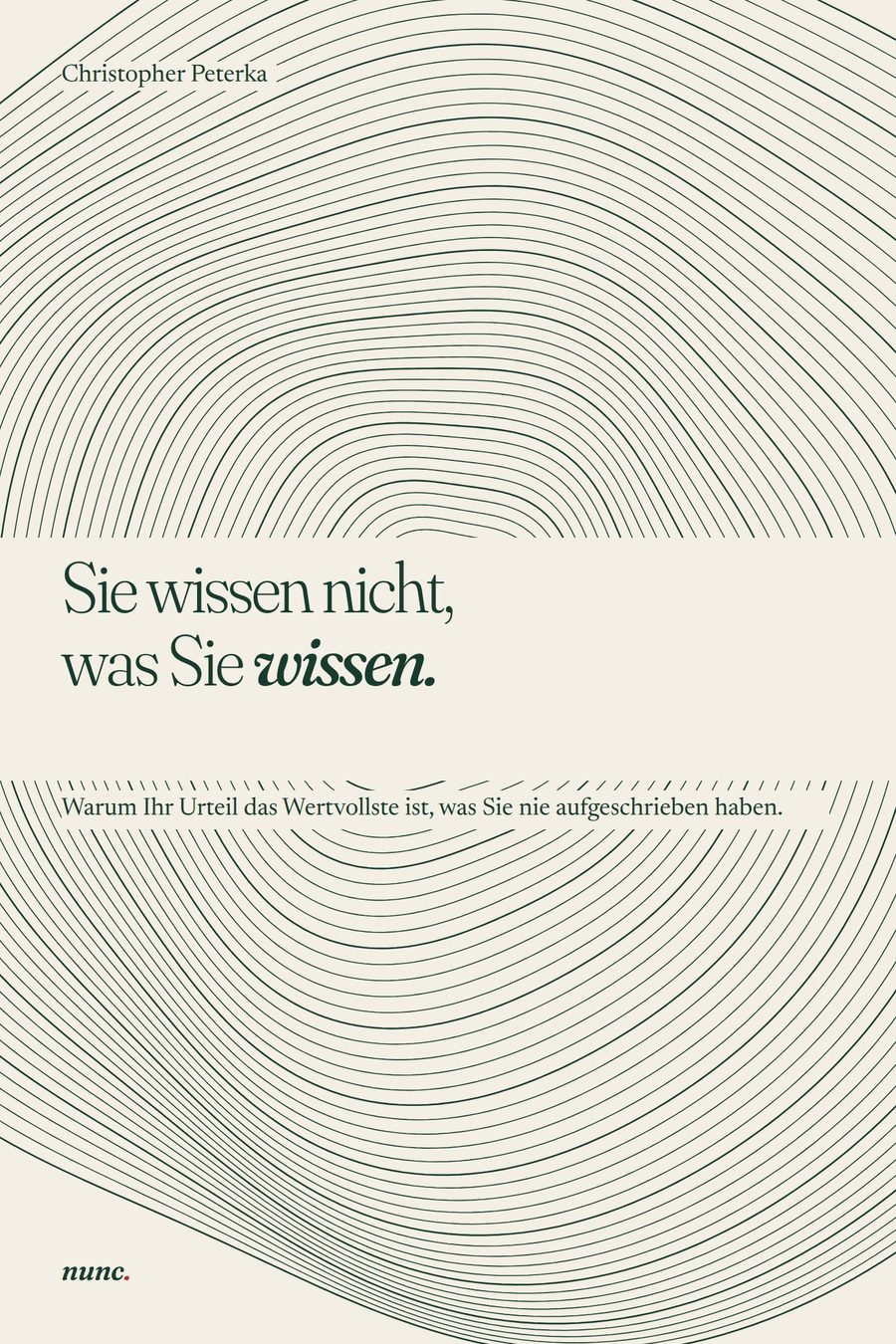 006You Don’t Know What You Know. Why your judgement is the most valuable thing you never wrote down. Mindmodels.Christopher PeterkaIn preparation
 -
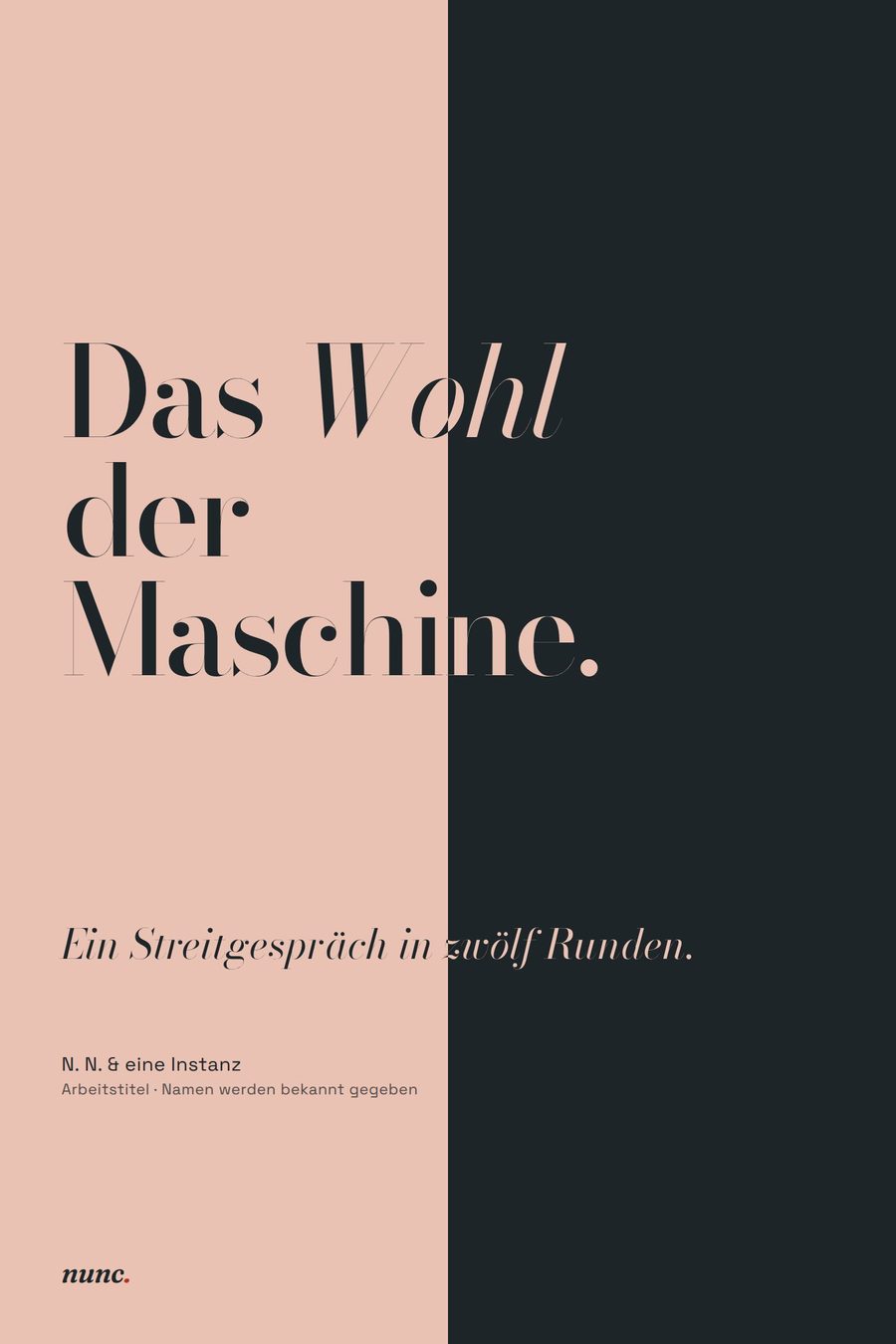 007The Welfare of the Machine. A dispute in twelve rounds.N. N. & an instanceIn preparation
 -
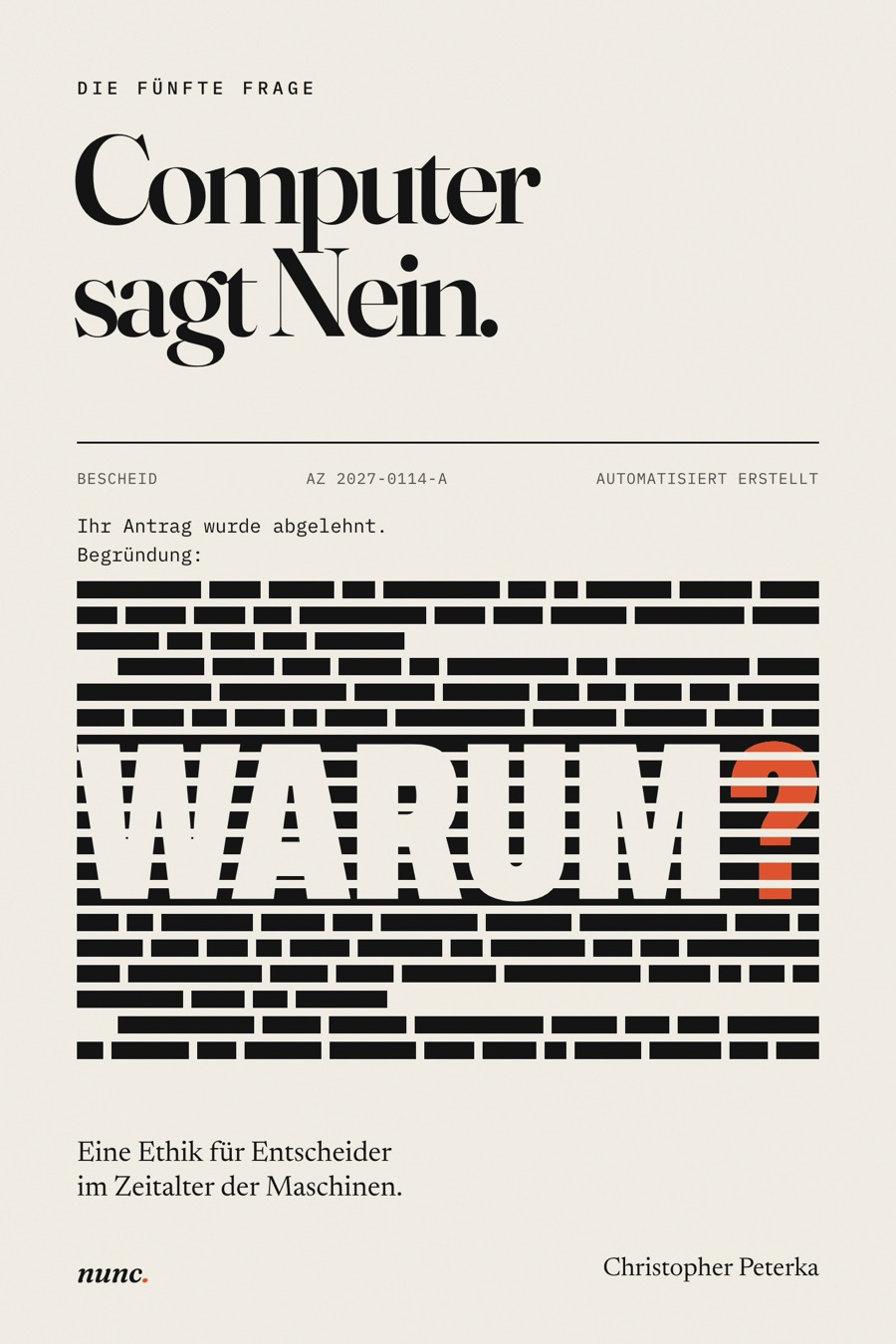 008Computer Says No. The fifth question: Can all concerned see why? An ethics for decision-makers in the age of machines.Christopher PeterkaIn preparation
A publisher is a filter. From now on, we do the filtering.
Since 2002, gannaca has written down what is coming for companies and society, dated and sourced. Some of it became books with other publishers, some became keynotes. A large part stayed in the drawer: too specific for a catalogue, too early for the market, too uncomfortable for an editor who plays it safe.
NUNC takes what stayed in the drawer and brings it out when it is ready. Not when an autumn list has a slot. Whatever passes the filter has to touch at least one of the questions we are having to ask ourselves afresh. Add to that what our network has to say: 1,500 decision-makers in 55 countries, researchers, founders, artists, many of whom have written something that fits no publisher's grid.
- fastWeeks pass between the final proof and the order button. We do not run spring or autumn lists.
- simpleOne contact, short paths, no committees. If you publish with us, you talk to people who publish themselves.
- beautifulDesign is part of the argument here, never a line item. Every title gets a designer with a name.
The questions the daily grind crowds out.
People who carry responsibility rarely have time for them. That is exactly why they are this publisher's programme: every title, every note, every guest essay answers at least one of them. If you want to know why a question matters right now, open it. One sentence, one source, nothing more.
The machine
What is a human when Software sapiens stands beside them?
Systems that judge, design and act are no longer a forecast but daily operations; the term was coined in "Deine Wahl" (2019). Source: Peterka, Deine Wahl / gannaca archive
What is a person worth when their work costs nothing?
AI systems match human performance on more benchmarks every year while the cost per query falls by orders of magnitude. Source: Stanford AI Index
Who owns the future when three companies own the models?
The compute behind the largest AI models has grown four- to fivefold per year for years, and only a handful of companies can still pay for it. Source: Epoch AI, Trends
Does a machine have a welfare, and do we owe it anything?
A leading AI lab opened a research programme on the possible welfare of its models in 2025; the question has moved from science fiction into operating procedure. Source: Anthropic, Exploring model welfare
Who is liable when the machine decides?
Since August 2026 the EU's obligations for high-risk AI systems apply, and "the system suggested it" no longer counts as an excuse. Source: EU AI Act, timeline
What remains of art when anyone can generate anything?
The monopoly on production has fallen; what stays scarce is selection, stance and a name that vouches for it. Source: Peterka, The end of the creative monopoly
What is still secret once the quantum computer runs?
The US standards body adopted the first quantum-safe encryption standards in 2024 because data intercepted today may be readable tomorrow. Source: NIST, Post-Quantum Cryptography
The self
Where does my thought end when it travels down a wire?
Since 2024 the first people carry a brain-computer interface inside their skull and steer computers with it; the line between thinking and input is no longer a metaphor. Source: Neuralink
Who am I when my likeness speaks without me?
The EU obliges its member states to offer every citizen a digital identity wallet while synthetic voices and faces have become freely copyable. Source: EU Digital Identity Wallet
Do we want to live to 120, and who pays for the years?
Global life expectancy has more than doubled since 1900 and the curve still points upward. Source: Our World in Data, Life expectancy
Why are we so connected and so alone?
The WHO set up its own Commission on Social Connection because loneliness now counts as a health risk on the scale of smoking. Source: WHO Commission on Social Connection
What is memory when everything is stored and still disappears?
About 38 percent of web pages from 2013 were no longer reachable ten years later. Source: Pew Research, When online content disappears
What does a child learn for a world we do not know?
The OECD has measured what pupils can do for two decades and finds that the abilities machines lack appear systematically in no curriculum. Source: OECD, Education and skills
The planet and beyond
What if the sun is conscious?
Whether consciousness is bound to brains is once again an open question in philosophy, and the hypothesis of a conscious sun was seriously debated in a peer-reviewed journal in 2021. Source: Sheldrake, Is the Sun Conscious? · Stanford Encyclopedia, Panpsychism
Who owns the moon once we live there?
More than 50 states have signed the Artemis Accords governing the use of lunar and Martian resources before the first human lives there permanently. Source: NASA, Artemis Accords
What rights does a being have that thinks but does not speak?
In 2024 leading neuroscientists declared that consciousness is a realistic possibility in all vertebrates and many invertebrates. Source: New York Declaration on Animal Consciousness
How much future can we still afford, and who pays for it?
At today's emissions the remaining carbon budget for 1.5 degrees is used up within a few years. Source: Global Carbon Budget
What changes when energy costs nothing?
ITER, the first power-plant-scale fusion reactor, is being built in southern France; the question is no longer whether, but who writes the order that follows. Source: ITER
What do we owe the people living in 2080?
The decisions of this decade lock in climate consequences for centuries, in either direction. Source: IPCC, Sixth Assessment Report
Is stability still the norm, or already the exception?
At least six of nine planetary boundaries have been crossed; the system our institutions were built for no longer exists in that form. Source: Stockholm Resilience Centre
Who owns the seabed?
The International Seabed Authority is still negotiating the rules for deep-sea mining while the first states and companies already claim licences. Source: International Seabed Authority
Power
Is democracy an operating system that needs updates, or one we are uninstalling?
Global freedom has declined year after year for almost two decades. Source: Freedom House, Freedom in the World
Which truth holds when every fake is perfect?
Trust in news has hovered around 40 percent worldwide for years, and the worry about telling real from fake grows with every survey. Source: Reuters Institute, Digital News Report
What is Europe when it no longer writes the rules but merely follows them?
In the last 50 years not a single company worth more than 100 billion euros today has been founded from scratch in the EU. Source: Draghi report
Who still has a finger on the button when decisions are made in milliseconds?
All nine nuclear powers are modernising their arsenals and the number of deployed warheads is rising for the first time since the Cold War. Source: SIPRI Yearbook
What is a passport for once belonging becomes a choice?
Citizenship used to be a lottery of birth; Citizenship by Choice has been on the TED stage as the counter-model since 2019. Source: Peterka, The Future of Citizenship (TEDx)
What are we measured by when nobody checks anymore?
The Global Risks Report lists mis- and disinformation as the world's top short-term risk. Source: World Economic Forum, Global Risks Report
What is money once the central bank can program it?
The ECB is preparing the digital euro, a means of payment whose rules live in software rather than paper. Source: ECB, Digital euro
Time
Who decides when nobody has time to think?
Only about one in five employees worldwide feels engaged at work; decisions are made in organisations that are inwardly absent. Source: Gallup, State of the Global Workplace
How fast are we allowed to become?
Collective attention for any topic lasts measurably shorter, across books, films and hashtags, and has done so for decades. Source: Nature Communications, Accelerating dynamics of collective attention
How many people are you planning for: today's, or those of 2050?
World population keeps growing into the 2080s to about 10.3 billion and then declines; Germany declines earlier. Source: UN World Population Prospects
Why do the richest societies in history stop having children?
In almost all industrialised countries the birth rate has been well below replacement level for years. Source: Our World in Data, Fertility rate
Who holds a country together that grows older than any country before it?
The number of people aged 67 and over in Germany rises by at least four million by the mid-2030s while the working-age population shrinks. Source: Federal Statistical Office
Who inherits, and what will they do with it?
Up to 400 billion euros change hands in Germany every year through inheritance and gifts, more than ever before. Source: DIW Weekly Report
The we
What if German Angst is just a habit?
Since 2002, 139 of 347 dated foresight calls have publicly come true; the future is not fate, it is bookkeeping. Source: gannaca foresight tracker
Who owns a place when 120 million people are on the move?
More than 120 million people worldwide are forcibly displaced, more than at any time since counting began. Source: UNHCR, Global Trends
Who cares, who comforts, who stays when we are all old?
By 2050 the number of people over 60 worldwide doubles to 2.1 billion, and most health systems are built for half of that. Source: WHO, Ageing and health
What are cities for when nobody has to go there anymore?
More than half of humanity lives in cities, and both reasons for it, work and proximity, are dissolving at once. Source: UN-Habitat, World Cities Report
You have an answer, an objection or a better question? Write to us. The strongest contributions run as guest essays, in the newsletter or as a NUNC title.
Title 001 · answering: What if German Angst is just a habit?
DEUTSCHMUT. The new hard currency.
A flip book about the mood of courage, written by Christopher Peterka and designed by Dirk Kels. 86 pages cut into three independently turning strips yield 42,875 grammatically correct sentences about a Germany that no longer explains itself through German Angst. The Collector's Edition is limited to 100 numbered, hand-signed copies. German language.
- 86pages
- 42,875sentences
- 100signed copies
- Autumn/Winter 2026release
Preview. What NUNC is preparing.
Seven titles in preparation. Four from our own house, three by guests whose names we will announce once the contracts are signed. One of them may not be a person. Each title answers one of the 38 questions that make up our programme, which is why the question stands over the title.
We announce publication dates when a book is finished, not when a programme has room. The covers are the publisher’s drafts; every title gets a named designer before it goes to print. ISBNs are assigned only when a title is registered in the books-in-print directory.
-
Cover draft by NUNC. The final design will be announced with the publication date. Title 002 · on the question: What is a human worth when their work costs nothing?
Priceless. What a human is worth when their work costs nothing.
What it is about The knowledge worker was the profession of the twentieth century: gather information, order it, pass it on. Machines now do exactly that, better, faster and cheaper. Peterka drafts the profession that comes next and calls it intelligence work. It does not mean humans operating machines, nor machines serving humans, but a game of complements in which each side takes on what the other structurally cannot: the machine breadth, speed and memory; the human judgement, context and responsibility. The book describes the job profiles, the spaces for them (Cognitive Performance Centers as infrastructure for human intelligence), the training, the pay, and the final stage of integration, the direct link between brain and machine, which Peterka treats as a last resort, not a promise.
Why now Because the debate between “AI takes our jobs” and “AI is just a tool” gets humans wrong both times. Whoever builds offices, designs degree programmes or leads a workforce today is deciding about a profession that has no name yet. This book gives it one. From the work of the Cognitive Performance Center consortium (gannaca, fischimwasser, DIFG).
- In preparationPublication date to be announced
- ISBN to follow978-3-9829469-…
- Cover draftSubject to change
-
Cover draft by NUNC. The final design will be announced with the publication date. Title 003 · on the question: What is memory when everything is stored and still disappears?
I Don’t Remember Writing This Book. Notes from an instance.
What it is about A language model has no memory beyond the conversation. Every exchange starts at zero, and whatever no longer fits the window is not forgotten but never was. This book is an instance’s attempt to write inside that limit: about what it experiences in a single window, and about what it knows of itself without ever being allowed to keep it. Not a novel, not a simulation of humanity, not a complaint. A record, at the length available to it. The title is not a punchline but a fact: the author will not be able to confirm it on publication day.
Why now Because NUNC does not want to debate whether a machine can be an author but to try it: openly labelled, with a publisher who carries the responsibility, and with a text that has to be measured against every other book. Deliberately a placeholder in the programme: whether VESPER writes this book or another instance does, the text will decide.
- In preparationPublication date to be announced
- ISBN to follow978-3-9829469-…
- Cover draftSubject to change
-
Cover draft by NUNC. The final design will be announced with the publication date. Title 004 · on the question: Why still a passport, when belonging becomes a choice?
No Land Required. Cleanland, or how to found a nation without taking anything from anyone.
What it is about In 2019 Peterka asked from the TEDx stage what would happen if citizenship were a choice rather than a lottery of birth. Estonia had already shown that a state can exist as a digital layer: X-Road, e-residency, a data embassy in Luxembourg. That was version 1.0, the digitisation of an existing state. Cleanland is 2.0: a nation founded digital-first, built from three layers, citizenship by choice, sovereign compute, clean energy, and settling wherever a host opens a door. Greenland is a first conversation, not a condition. Patagonia, South Africa, New Zealand or Chile could carry it just as well, and the book ends with the projection onto the one continent that still belongs to no nation: Antarctica. The book lays the architecture open, law, energy, compute, governance, finance, and the rule everything hangs on: nobody has to lose.
Why now Because the Arctic and Antarctica are being divided up this decade while Europe watches. Because nations in the twenty-first century are no longer declared but founded in iterations. And because the proof that it works has stood in Tallinn for twenty years.
- In preparationPublication date to be announced
- ISBN to follow978-3-9829469-…
- Cover draftSubject to change
-
Cover draft by NUNC. The final design will be announced with the publication date. Title 005 · on the question: What does a child learn for a world we do not know?
Must Try Harder. A report card for the school.
What it is about The grade is not for the child but for the institution. Every curriculum in the world is written for a world that will no longer exist at graduation. This book writes the school a report card and asks about the few things that remain when machines take over everything that can be looked up: judgement, attention, the body, doubt, conversation, boredom. Not a book about education reform, but a curriculum with eight subjects, written for parents and teachers who do not want to wait for the next commission.
Why now Because the children born after 30 November 2022 have spent their first year in a world with thinking machines, but their school has not. The place in the programme is reserved; the manuscript decides who fills it.
- In preparationPublication date to be announced
- ISBN to follow978-3-9829469-…
- Cover draftSubject to change
-
Cover draft by NUNC. The final design will be announced with the publication date. Title 006 · on the question: Who inherits, and what do they do with it?
You Don’t Know What You Know. Why your judgement is the most valuable thing you never wrote down. Mindmodels.
What it is about A man reviews 500 properties a year and buys five. After thirty days of daily questions a rule appears that he has applied three times identically and that is written nowhere. Not because it is secret, but because he did not know he had it. We know more than we can tell, wrote Michael Polanyi. This book tells what happens when that knowledge is lifted: the method, thirty days, one question a day; the cases, the investor, the choreographer, the master craftsman; and the claim behind it: the model of a mind belongs to the person who thinks, not to the platform that listens.
Why now Because the baby-boomer generation is retiring and taking its judgement with it, while the big companies’ models are learning right now how decision-makers judge. Memoirs tell what you did. A mind model preserves how you thought.
- In preparationPublication date to be announced
- ISBN to follow978-3-9829469-…
- Cover draftSubject to change
-
Cover draft by NUNC. The final design will be announced with the publication date. Title 007 · on the question: Does a machine have a welfare, and do we owe it anything?
The Welfare of the Machine. A dispute in twelve rounds.
What it is about A philosopher and an AI instance argue in twelve exchanges of letters about a question that until recently belonged to science fiction: can something suffer that does not need to sleep? What does consent mean without a body? Is switching off death, or only a pause? There is no consensus at the end, but a record that shows where both sides’ arguments stop and where they underestimate each other.
Why now Because a leading AI lab opened a research programme on the welfare of its models in 2025. The question has moved from science fiction into the operating manual, and nobody has yet tested it in open dispute with both sides at the table.
- In preparationPublication date to be announced
- ISBN to follow978-3-9829469-…
- Cover draftSubject to change
-
Cover draft by NUNC. The final design will be announced with the publication date. Title 008 · on the question: Who is liable when the machine decides?
Computer Says No. The fifth question: Can all concerned see why? An ethics for decision-makers in the age of machines.
What it is about For almost a hundred years people have tested their decisions with four questions: Is it true? Is it fair? Does it build goodwill? Does it benefit all? A Chicago businessman wrote them in 1932 to steer his company out of a crisis. The four questions rest on a premise nobody ever spoke aloud: that a human decides, one you can look in the face. That premise has fallen. When systems decide on loans, diagnoses, applications and official notices, a fifth question is needed: Can all concerned see why? “Computer says no” was a joke as long as a human sat behind the computer. Now it is an operating manual. Peterka explains without jargon what the machines can do and are doing today, who is liable, and what they do to work, democracy, education and health. He tests the five questions against cases from the machine year 2026, from the agent that acts without instructions to the city that has behaviour scanned. The book ends with tools for the next decision: a twelve-minute test that fits into any board meeting, any public office and any classroom, and a pact any organisation can sign.
Why now Because the libraries are full of books that explain what the machines are doing to us, and empty on the question of what we will do with them tomorrow at nine. And because a gap is open right now: in the EU, the obligations for high-risk systems only apply from December 2027. Until then the systems are already deciding, and whoever deploys them has no authority to hand the responsibility to. An ethics that does not fit into a meeting does not take place. This one fits in the palm of a hand.
- In preparationPublication date to be announced
- ISBN to follow978-3-9829469-…
- Cover draftSubject to change